There are three kinds of watch case back, and each opens with a different tool. A snap-on back is levered off at a small lip. A screw-down back with notches around the edge is turned counterclockwise with a case wrench or a rubber ball. A back held by four or more small screws needs a screwdriver. Use the wrong method and you scar the back or the case.
Before you start, know what you are risking. Opening a back breaks the water resistance seal. Unless the watch is pressure tested afterwards, treat it as splash resistant only.
Identify the case back
| Back | How to recognize it | Tool |
|---|---|---|
| Snap-on (press fit) | Smooth back with a small lip or notch at the edge | Case knife to open, case press to close |
| Screw-down | Notches or flats evenly spaced around the edge | Adjustable case wrench (Jaxa type), die set, or rubber friction ball |
| Screwed | Four or more small screws around the edge | Precision screwdriver |
How to open a screw-down case back
- Hold the watch securely. In a case holder, or face down on a cloth-covered rubber mat. The watch must not turn with the tool.
- Set the wrench. Adjust a Jaxa-type wrench so its pins sit fully in two opposite notches and lock it at that width.
- Turn counterclockwise. Press down firmly and turn. Downward pressure keeps the pins from jumping out and scratching the back.
- Or use a friction ball. For backs with shallow notches, press a rubber case ball firmly onto the back and turn counterclockwise.
- Lift the back off. Set it aside inside up, and check the gasket before you do anything else.
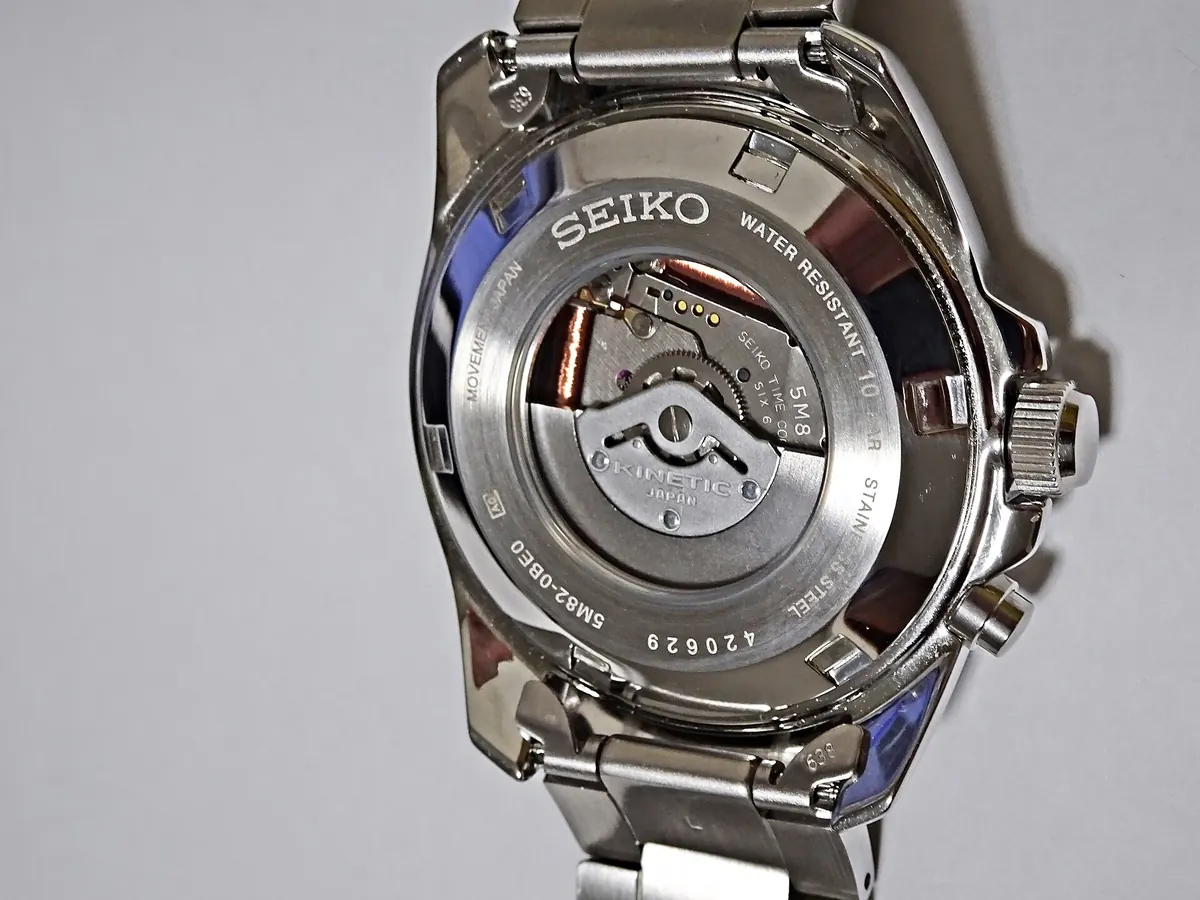
How to open a snap-on case back
Find the small lip or notch on the edge of the back, usually near a lug. Hold the watch firmly in a case holder or on a cloth, set the edge of a case knife into the lip and twist the blade slightly so the back lifts. Do not slide the knife around the edge and do not lever where there is no lip. Keep your other hand out of the path of the blade. To close it, line up any notch with its position on the case and press it on evenly, ideally with a case press. Squeezing it shut by hand or with pliers often cracks crystals.
Backs with screws
Use a precision screwdriver that fills the slot or matches the cross head exactly. Loosen the screws in a cross pattern and keep them in order, they may differ in length. Tighten them the same way on reassembly, snug, not forced.
The gasket and water resistance
Every opening disturbs the rubber gasket under the back. Check it is seated, clean and not flattened or cracked before closing. Water resistance is only restored by a pressure test. For a diver or any watch you swim with, the open and reseal job belongs with a watchmaker. For a battery quartz you only wear on land, a careful home job is reasonable.
When not to do itValuable watches, anything with a warranty you want to keep, and any watch you rely on for water resistance. A watchmaker opens, services and pressure tests in one visit.
FAQ
How do I open the back of a watch?
Identify the back first. Snap-on: lever it off at the lip with a case knife. Screw-down with notches: turn it counterclockwise with a case wrench or rubber ball. Screwed: remove the small screws. Hold the watch securely in each case.
How do I open a watch back without tools?
A rubber ball or a firm rubber jar opener can turn some screw-down backs by friction. Snap-on backs need a case knife, improvised blades slip and cut. Screwed backs need a screwdriver.
Will opening the back ruin the water resistance?
It breaks the seal. Check the gasket when closing and have the watch pressure tested if you rely on its water resistance.
Which way do you turn a watch back to open it?
Counterclockwise, looking at the back.