Tool guide
Watch case opener and back removal tools
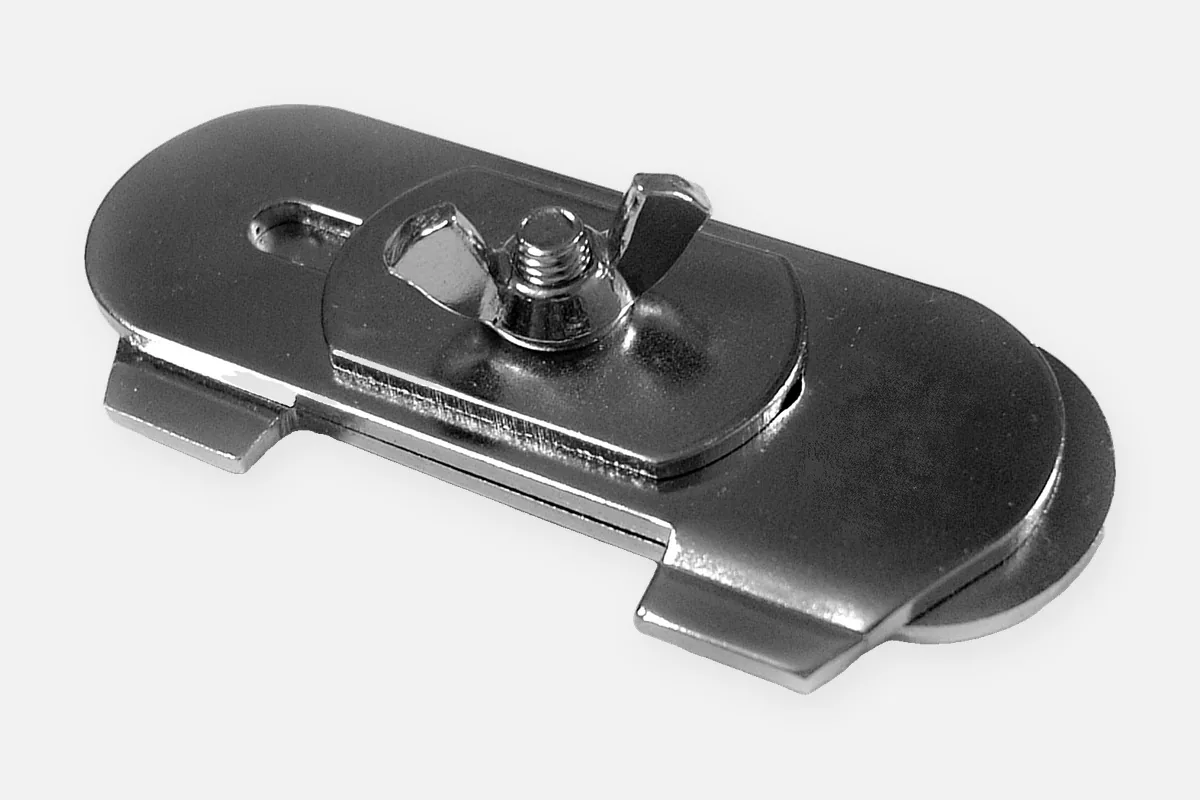
A case back tool opens the back of the watch for a battery change, a seal check or a mod. This is the one category where the wrong move risks water resistance and the movement, not just the finish. Match the tool to the back.
Match the tool to the back
| Case back | Tool | Notes |
|---|---|---|
| Snap-on (lip or notch) | Case knife, case press to close | Lever only at the lip. Never slide the blade around the edge |
| Screw-down (notches) | Adjustable case wrench, Jaxa type | Pins must sit fully in the notches and lock at that width |
| Screw-down (flats or many notches) | Die set with a holder | Choose the die that fits the back exactly |
| Screw-down (shallow notches) | Rubber friction ball | Press hard, turn counterclockwise |
| Screwed (small screws) | Precision screwdriver | Loosen in a cross pattern, keep screws in order |

What matters when choosing
- Case holder: it must clamp the case without marking it and stop it turning under the wrench.
- Wrench locking: an adjustable wrench must lock at its width, with pins or tips that sit fully in the notches.
- Die sets: only useful if a die matches your back pattern exactly.
- Friction ball: cheap and gentle, first choice for shallow notches and polished backs.
- Case knife: short, stiff blade. A flexible blade is how knives slip.
- Case press: needed to close snap-on backs without cracking the crystal.
Grip and fit over accessory count. A case wrench must lock at its width, or it cams out and scars the back. A case holder that keeps the watch from turning is as important as the wrench itself. A friction ball is the gentlest option for shallow notches. A case knife should have a short, stiff blade.
Two things people underestimate
The gasket: every time the back comes off, the gasket should be checked and seated, and water resistance is not guaranteed again without a pressure test. And closing: a snap-on back needs a case press, squeezing it with pliers cracks crystals. For watches you swim with, the open and reseal job belongs with a watchmaker.
Step by step methods for each back are in how to open a watch back.
New guides by email
An occasional email when a new guide is published. Sent via MailerLite with double opt-in, unsubscribe anytime. Details in our privacy policy.
FAQ
Which watch back removal tool do I need?
Look at the back first: a small lip needs a case knife, notches need an adjustable case wrench, die set or rubber ball, and small screws need a precision screwdriver.
Is an adjustable case wrench worth it?
If you open screw-down backs more than once, yes, as long as it locks at its width and comes with a case holder. For shallow notches, a rubber friction ball is the gentler alternative.
Will the wrong tool damage my watch?
Yes. A slipping wrench scars the back, a knife in the wrong place cuts the gasket or your hand, and a badly closed back loses water resistance.